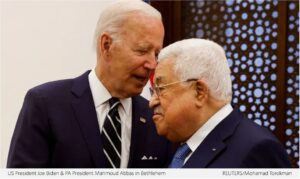

Everyone knows what to do about the Israeli-Palestinian conflict: Arrange the “two-state solution.” That has been a commonplace for decades, going back to the Oslo Accords, all the international conferences, the “Roadmap,” and the efforts by a series of American presidents and their staffs of ardent peace processors.
In the West, the call for a “two-state solution” is mostly a magical incantation these days. Diplomats and politicians want the Gaza war to stop. They want a way out that seems fair and just to voters and makes for good speeches. But they are not even beginning to grapple with the issues that negotiating a “two-state solution” raises, and they are not seriously asking what kind of state “Palestine” would be. Instead they simply imagine a peaceful, well-ordered place called “Palestine” and assure everyone that it is just around the corner. By doing so they avoid asking the most important question: Would not an autocratic, revanchist Palestinian state be a threat to peace?