
Ambassador (ret.) Yoram Ettinger | “Second Thought: a US-Israel Initiative” | April 12, 2026
 Photo by Chris Hearn on Unsplash
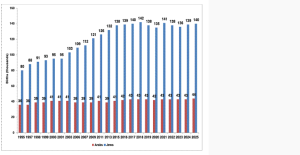
In 2025, the number of Israel’s Jewish births was 139,676 – 74% higher than 1995 (80,400), compared to 44,029 Arab births – 21% higher than 1995 (36,500).
In 2025, Jewish births were 76% of total births, compared to 69% in 1995. The surge of Jewish births has taken place due to the unprecedented rise of births (since 1995) in the secular sector, notwithstanding a rising level of education, income and wedding age and expanded urbanization. Since 1995, Israel’s ultra-orthodox sector has experienced a mild decrease of fertility, while the modern orthodox rate of fertility has been stable.
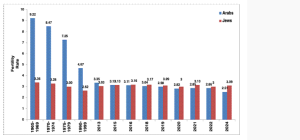
In 1969, Israel’s Arab fertility rate was six births higher than the Jewish fertility rate. In 2024, Jewish fertility rate – 3.09; Israeli Muslims – 2.51.
Muslim fertility rate has been Westernized: Jordan (similar to West Bank Arabs) – 2.5 births per woman, Iran – 2, Saudi Arabia – 2.1, Morocco – 2.3, Iraq – 3.4, Egypt – 3, Yemen – 3.3, the United Arab Emirates – 13, etc.
Israel’s robust Jewish fertility rate reflects upbeat optimism, patriotism, attachment to roots, communal solidarity, frontier-mentality, less abortions and a traditional joy of having children. Arab demographic Westernization is attributed to sweeping urbanization, enhanced status of women (education, employment, rising wedding age, shorter reproductive period) and expanding use of contraceptives.
More information on my website and in my recent video.


This means the last big Arab families in “Palestine” were born in the 1970’s and will live to 2050 (?) have already had their two children who are only presenting two grand children who will scramble viciously for the family housing that has spilled all over the erstwhile green fields between Jerusalem and Bethlehem and around.
Meanwhile the Arab inspired revival of Antisemitism will affect the seven millions of Jews in the Americas and the million Jews still in Europe by even a younger million of them go on aliyah these coming decades. Then the older Jews will follow to enjoy their grandchildren.
Meanwhile the petro era also ends about 2050 if not before in the 40’s and with it the dollars to bribe universities, news publishers and UN petty members.