Leonard Grunstein | Dec 6, 2018
The Jewish holiday of Chanukah is an annual eight-day celebration of religious liberty and freedom from oppression.
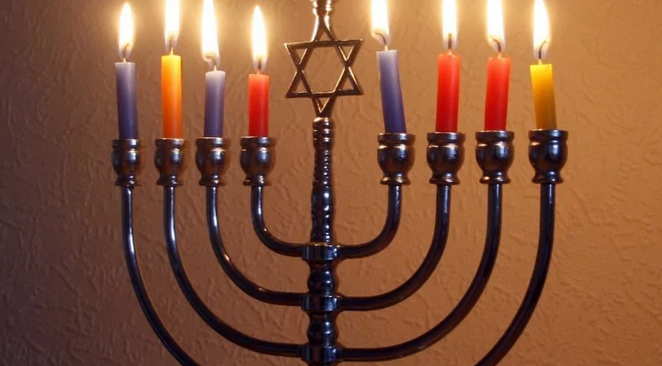
It centers on the lighting of the Chanukah menorah[i] as a means of publicizing the miracle of the oil, which the Talmud[ii] explains is the basis for the holiday of Chanukah. The ancient Greeks had occupied the Second Temple and polluted the store of sacred and pure olive oil. When the Maccabees overcame and defeated the Greeks, they entered the Temple and rededicated it. Indeed the name Chanukah is derived from the Hebrew word to dedicate. As noted below, there was no golden Menorah to light, as a part of the daily Temple ritual, so they had to jerry rig one[iii]. They found only one unspoiled container of oil, inscribed with the seal of the High Priest. It was likely not even sufficient to light the Menorah for just one day[iv]; yet, it miraculously lasted for eight days. In later years, these days were fixed as a holiday period of thanksgiving and for the recitation of the Hallel. The Talmud presents the martial victory of the Maccabees over the ancient Greeks, almost as an afterthought, merely to set the scene for the occurrence of the miracle of the oil.
Why this singular focus on kindling lights[v]? Why don’t we also have some special observance of the miraculous victory over the Greeks? While, there is a reference to the triumph over the Greeks in the additional Al Hanissim prayer[vi], inserted into the Amidah and Bircat HaMazon, it too concludes with a recitation of the miracle of the oil and lighting of the Menorah.