Stephen Bryen | Weapons & Strategy | Jun 22, 2025
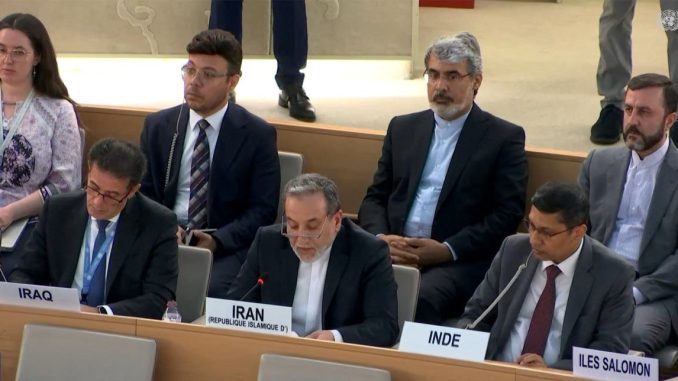 This image grabbed from a United Nations video shows Iran’s Foreign Minister Abbas Araghchi addressing the 59th session of the UN Human Rights Council in Geneva on June 20, 2025. Top European diplomats are meeting with Iran’s Foreign Minister Abbas Araghchi in Geneva on June 20 to discuss Iran’s nuclear program
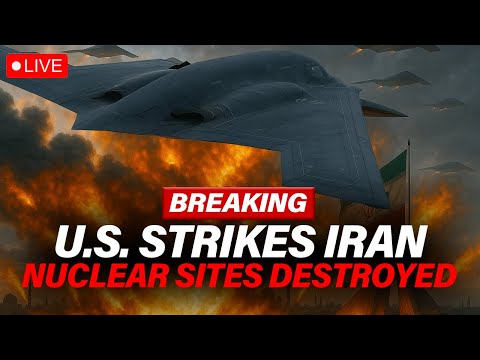
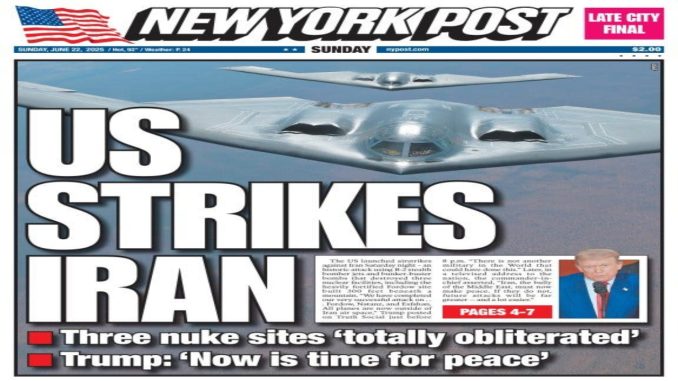
President Trump’s decision to launch attacks on three of Iran’s major nuclear enrichment sites took place after negotiations in Geneva collapsed. Iran’s foreign minister met with the foreign ministers of Germany, Britain, France, known as the E3, plus the EU. The E-3 and EU group pressed the Iranians to engage in negotiations with the United States. Iran’s foreign minister, Abbas Araghchi said Iran would only consider talks of some kind (not with the United States) after Israel halted its attacks on Iran and was punished. The E-3 tried to sell Araghchi and the Iranians on a formula, not supported by Washington, that would impose strict nuclear inspections and other similar measures as a “solution” to the impasse, disregarding President Trump’s policy of no enrichment of uranium by Iran. Araghchi wasn’t buying the European suggestions.
Read more…


 Fox
Fox
 President Donald Trump and his national security team meet in the Situation Room of the White House, Saturday, June 21, 2025. (By The White House –