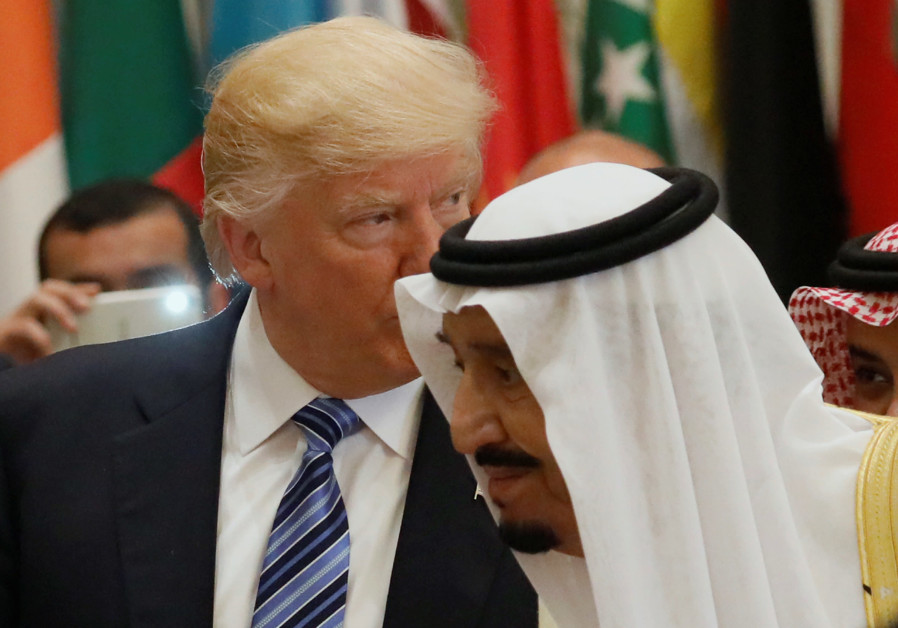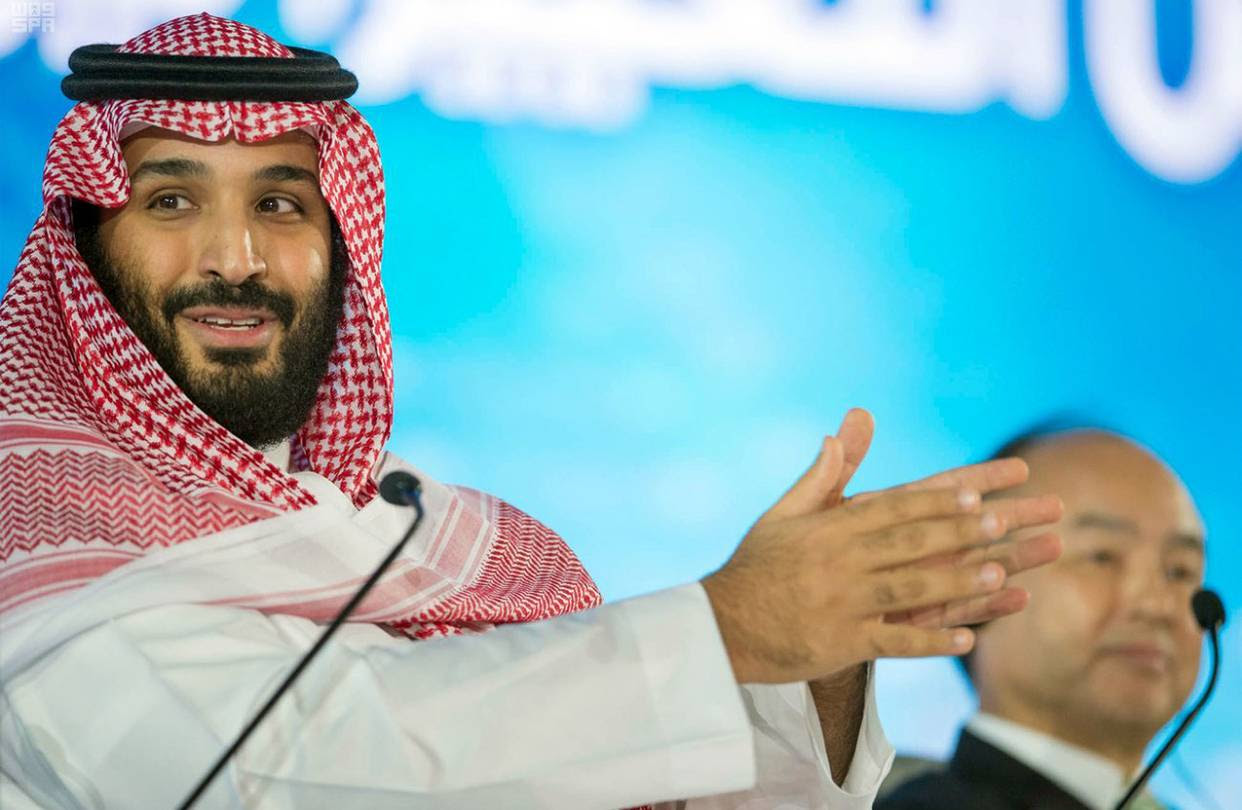

Ahead of their White House talks on Tuesday, March 20, President Donald Trump and the Saudi Crown Prince agree on a new Supreme Committee to coordinate military and diplomatic efforts for curbing Iranian expansion. The United Arab Emirate is the third member. This committee, to focus on coordinated operations, will consist of the three governments’ national security advisers. For final decisions, they will call in President Trump, Saudi Crown Prince Muhammed bin Salman (MbS) and the UAE Emir Sheikh Muhammed bin Zayed Al Nahyan (MbZ). White House sources reported that the new group would be ceremonially launched in Washington this week. The Emirates national security adviser Sheikh Tahnoon bin Zayed Al Nahyan will come over to join the event. The emir himself is expected in Washington soon.
US makes contingency plans in case Iran nuclear talks fail
U.S. negotiator describes talks with European signatories to 2015 deal as “constructive,” says not engaging in contingency planning would be irresponsible • “The Europeans may go out on a limb and still have the U.S. president walk away,” strategist warns.
News Agencies and Israel Hayom Staff

U.S. President Donald Trump
The United States has had constructive talks about the Iran nuclear deal with Britain, France and Germany but is making contingency plans should they fail, the lead U.S. negotiator said on Wednesday.
U.S. President Donald Trump gave an ultimatum on Jan. 12 to the European powers, saying they must agree to “fix the terrible flaws” of the 2015 Iran nuclear deal or he would refuse to extend the U.S. sanctions relief on Iran that it calls for. U.S. sanctions will resume unless Trump again waives them on May 12.
“We have had constructive talks with the Europeans towards a supplemental agreement but I can’t predict whether we will reach an agreement with them or not,” Brian Hook, the State Department policy planning director, told reporters in a conference call.