Biden lied
Peloni: Shaw’s analysis here, while accurate, does not draw the obvious conclusion of Biden’s utter betrayal of Israel and the Jewish people with his ruse to try to force Bibi’s hand to surrender to Hamas. Indeed, Biden did more than lie, he acted in concert with Hamas to leverage pressure on Bibi to capitulate to a genocidal death cult which still holds as its primary focus, the further slaughter and destruction of both Israel and the Jewish people. In doing so, he has made his position quite clear that he stands with Hamas and against Israel in this war. While this is not the first time the American leadership has come to the defense and support of Hamas in innumerable ways, this was the most blatant and clear move made to try to place Israel’s leadership in a state of presumed checkmate.
While Bibi’s released statements over the weekend make Israel’s position quite clear, Bibi needs to put his voice behind those statements and reassure the people that he will not buckle to a minority support of his people for surrender and that he will not capitulate to the ongoing American vice to save Iran and all its proxies from facing the consequence of having struck Israel in such a visceral and devastating manner as it did on October 7. At Yad Vashem, Bibi spoke the words ‘Never again is now’ in English to make the point clear, and that point must once again be voiced to shout down the ambitions of our enemies which have been emboldened by Biden’s recent game of Bluff.
No Israeli would have come up with the egregious proposal Biden announced. Opinion.
Barry Shaw | INN | June 2, 2024
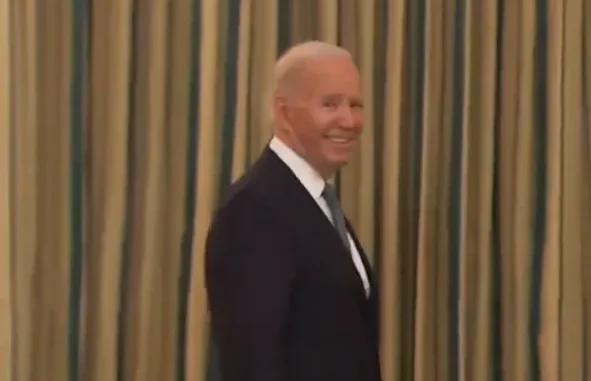
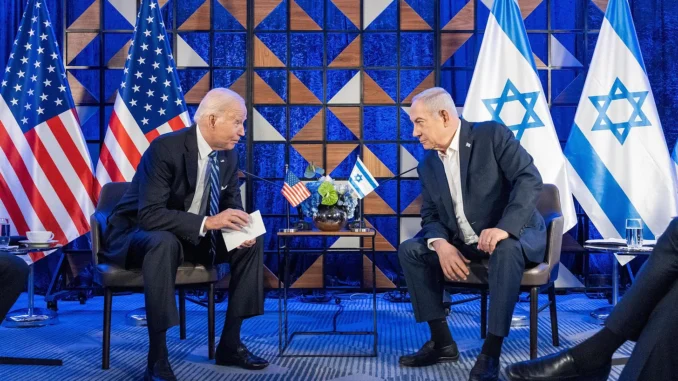
The President of the United States, Joe Biden, went in front of the cameras at the White House on 31 May and presented a multi-stage process for an end of war in Gaza that would release all the hostages, declaring it to be an Israeli peace plan.
It would be interesting to learn from Biden which Israeli came up with this plan.