
John Solomon Says, “We’re Working to Release More Information”
Peloni: Are we now facing the situation of too-big-to-prosecute in US is now the standard of justice in the land of the Free and home of the Brave? Or is Sundance mistaken in his conviction that the leadership of the Russiagate scandal will simply walk free amid the speculation that they might have had a reason to commit the crimes they committed while persecuting the legitimately elected leader of the US, Pres. Trump? While I once held this view myself, I am less convinced that Sundance has his finger on the pulse of the situation in this instance. What do others think?
Sundance
 Screengrab via Youtube [cropped]
First things first. It might not be the popular thing to accept, but it is increasingly clear there is no way to get to any form of accountability or legal exposure for Russiagate or the manufacturing of the Trump-Russia collusion narrative, anywhere near former President Barack Obama. The concentric circles of plausible deniability are just too extensive.


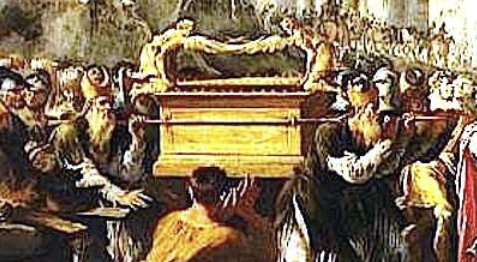 Image by Domenico Gargiulo – File:Domenico_Gargiulo_David_bearing_the_ark_of_testament_into_Jerusalem.jpg, Public Domain,





 UN Headquarters in Geneva. (Photo by John Samuel – Own work, CC BY-SA 4.0,
