Peloni: Well, I still argue that a good deal would require unconditional surrender, as the regime is not to be trusted to fulfill the terms of any agreement, and a tired West led by a growingly indifferent American polity can not be expected to enforce its will in the future against a regime which they are not even willing to hold to task regarding the meager outlines of what should have been seen as repeated and egregious clear violations of Trump’s self imposed ceasefire. From the attacks on US allies by Iran, to the attacks on Israel by Iran’s proxy Hezbolllah, to Iran’s seizing of the Strait of Hormuz, the US has ignored all of this. Hence, a deal, any deal, which might be signed by the beligerant, terrorist, Armageddonist Iranian regime should simply be understood to be a punt to tomorrow for what is politically difficult today…which was always the point pursued by the West in acquiescing to Iran over the past 50yrs.
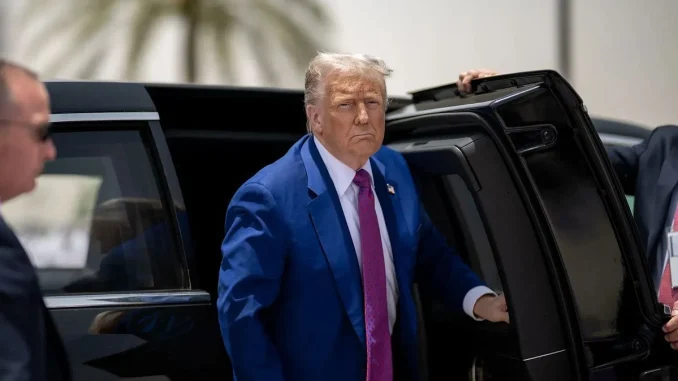
A new U.S.-Iran nuclear deal may soon emerge — or at least an initial memorandum of understanding (MOU) to be fleshed out over 60 days. President Donald Trump pledged on May 27 that the United States will resolve the conflict with Iran peacefully and lift its naval blockade of Iranian ports — but only if Tehran agrees to a truly “great” nuclear agreement. If not, Washington will finish the job militarily.
Escalating pressure, both economically and militarily, is the right approach. The Obama administration’s weak P5+1 nuclear agreements with the regime in 2013 and 2015 left Tehran’s pathway to acquiring nuclear weapons fundamentally intact. Flush with billions of dollars in sanctions relief, the regime built up its terrorist proxies, missile arsenals, and drones — ultimately forcing Trump to confront it with both military action and sustained economic pressure.
Read more…

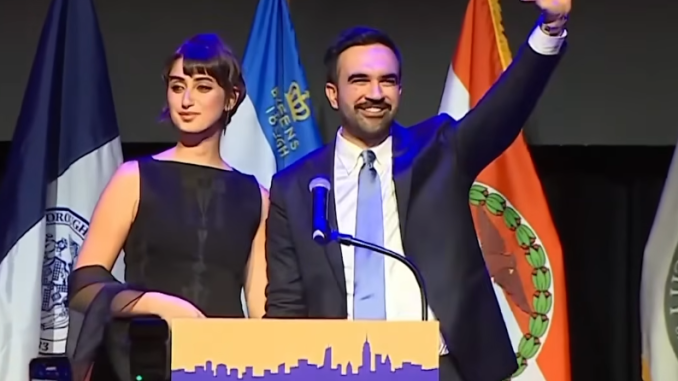 New York Mayor Zohran Mamdani and his wife Rama Duwaji. Screengrab via Youtube
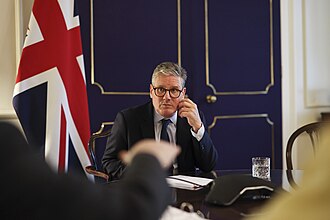 Prime Minister Keir Starmer calls President of Iran Masoud Pezeshkian from his office in 10 Downing Street. By Number 10 –
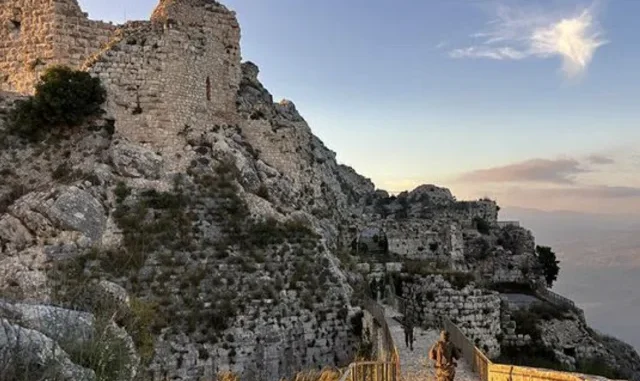
![Mustafa Kemal Atatürk (1881 – 10 November 1938) was a Turkish field marshal, revolutionary statesman, author, and the founding father of the Republic of Turkey, serving as its first President from 1923 until his death in 1938. He undertook sweeping progressive reforms, which modernized Turkey into a secular, industrializing nation. Ideologically a secularist and nationalist, his policies and theories became known as Kemalism. Due to his military and political accomplishments, Atatürk is regarded as one of the most important political leaders of the 20th century. y ?ncelemeelemani - Own work, Public Domain, https://commons.wikimedia.org/w/index.php?curid=26956220 [Cropped]](https://www.israpundit.org/wp-content/uploads/2026/05/Screenshot-2026-05-31-044114-637x381.png)